CATQ Sustainable Camouflaging: Reduce Burnout Daily for Autistic Adults
The constant performance of "being normal" is exhausting. If you are an autistic adult navigating neurotypical environments, you likely know the unique exhaustion that comes from continuous camouflaging. You might spend your entire day mimicking facial expressions, forcing eye contact, or rehearsing scripts just to fit in. By the time you get home, you feel completely drained, irritable, or even numb. This state is often called autistic burnout. It happens when the cost of "fitting in" becomes too high for your nervous system to handle.
How can you navigate a neurotypical world without losing yourself to burnout? The answer is not necessarily to stop masking entirely. Masking is often a tool used for safety or professional success. Instead, the goal is to move toward sustainable camouflaging. This means learning how to manage your energy. You choose when to use your social tools rather than keeping them "on" by default.
Understanding your specific patterns is the first step toward change. Many adults find clarity by using a CAT-Q test to identify exactly how they camouflage in social settings. This guide offers practical, sustainable strategies to help you preserve your energy. You can learn to navigate social situations effectively without sacrificing your long-term well-being.
CATQ Patterns: Understanding Your Unique Camouflaging Style
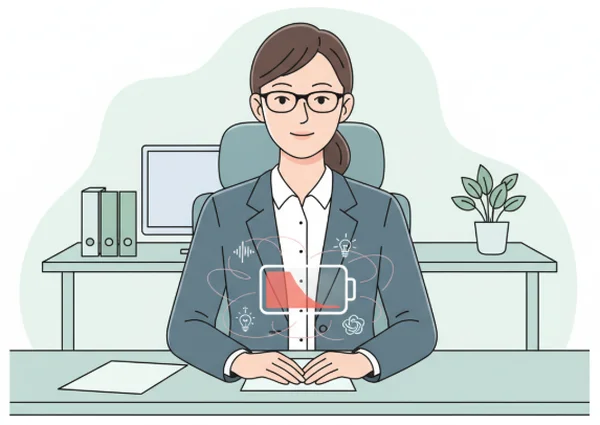
To reduce burnout, you must first understand your "energy envelope." For many neurodivergent people, social interaction is not a passive activity. It is a high-intensity cognitive task. While a neurotypical person might find a chatty lunch break refreshing, an autistic person might find it as taxing as a complex math exam.
Recognizing the Early Signs of Camouflaging Burnout
Burnout does not happen overnight. It builds up through weeks or months of over-masking. Recognizing the early warning signs allows you to pivot before you hit a total collapse. Reducing autistic burnout starts with listening to your body’s signals.
Physical indicators often appear first. You might notice persistent fatigue that sleep doesn’t fix. Chronic headaches, muscle tension in the shoulders, or digestive issues are also common. Your body is essentially stuck in a "fight or flight" mode. This is because social camouflaging feels like a constant threat to your system.
Emotional and cognitive signs are equally important. You might feel a growing sense of irritability over small things. Some people experience "emotional numbness," where they no longer feel joy or connection. Mentally, you may suffer from brain fog. This makes it hard to remember simple tasks or focus on your work. If you find yourself needing to hide in a dark room after a grocery store trip, your camouflage levels may be too high.
The Science Behind Energy Conservation in Autistic Individuals
Why is camouflaging so tiring? Science points to neurological differences in how autistic brains process information. Social cognition requires significant "compute power" for neurodivergent individuals. This includes reading subtle cues, tone of voice, and unwritten rules.
Research on autistic burnout shows that the brain’s sensory processing is often heightened. When you camouflage, you are not just managing your behavior. You are also suppressing your reactions to loud noises, bright lights, and uncomfortable textures. This "dual-tasking" consumes glucose and mental resources at a rapid rate.
Effective energy conservation techniques involve acknowledging your biological setup. Your "battery" simply has a different capacity than others. It is not a flaw; it is a different way of functioning. By using a free tool to measure your camouflaging traits, you can see which areas—like compensation or assimilation—are draining you the most.
Using CATQ Results to Develop Sustainable Strategies
Sustainable camouflaging is about balance. It is the shift from "forced performance" to "intentional navigation." You don't have to throw away your social masks entirely. Instead, you should be the one who decides when to wear them.
The Art of Selective Disclosure
One of the most powerful sustainable camouflaging strategies is selective disclosure. This does not mean telling everyone your private medical history. Instead, it involves sharing specific needs or your identity with people you trust.
When you disclose your needs, you lower the pressure to mask perfectly. For example, you might tell a colleague, "I focus better when I don’t make eye contact. I’ll be looking at my notes while we talk." This explains your behavior without requiring a full performance of neurotypical norms.
To practice this, you can develop simple scripts. Scripting helps reduce the "on-the-spot" cognitive load of explaining yourself. Start by assessing your social environment. Is it a safe space? Will disclosure help your productivity? Balancing your need for privacy with your need for authenticity is a personal journey. It is a key part of staying healthy.
Creating Micro-Pauses for Energy Recovery
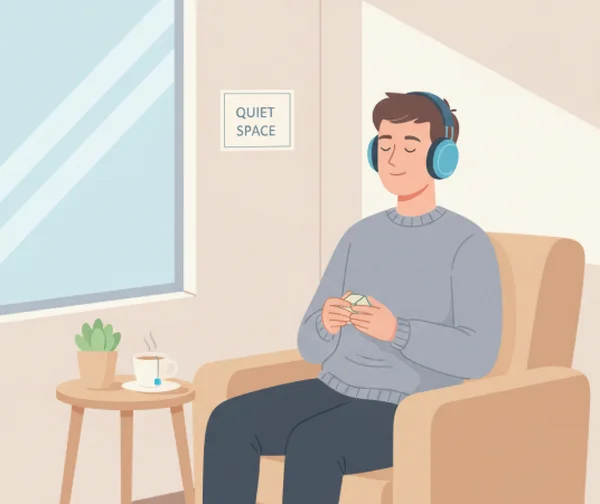
You don’t always need a week-long vacation to recover from burnout. Often, the best way to maintain energy is through micro-pauses throughout the day. These are small "unmasking breaks" where you allow your nervous system to reset.
In a professional setting, this might look like:
- Choosing a desk in a quiet corner or a spot where your back is to the wall.
- Taking "bathroom breaks" just to sit in silence and breathe for three minutes.
- Using discreet self-regulation techniques, like fidget toys or rhythmic toe-tapping.
You can also use technology to protect your energy. Use digital calendars to build "buffer time" between meetings. If you have a high-masking event in the morning, schedule a low-stimulation task for the afternoon. If you are unsure of your current masking levels, you can start your test to see how much social pressure you are currently absorbing.
Developing Authentic Communication Patterns
Sustainable masking also involves finding a communication style that feels genuine to you. Many autistic people are taught that their natural way of speaking is wrong. They are told to avoid being direct or "infodumping." However, forcing yourself to use "flowery" language is incredibly draining.
Try to find a middle ground. You can use selective social scripting that feels honest. For instance, instead of forcing a long conversation about the weekend, you can be brief. You might say, "I had a very quiet weekend to recharge, and I'm ready to dive into this project." This allows you to set boundaries around your emotional labor while still being professional. Over time, communicating your boundaries becomes a habit that protects your mental health.
Building Your Support Network and Safe Spaces
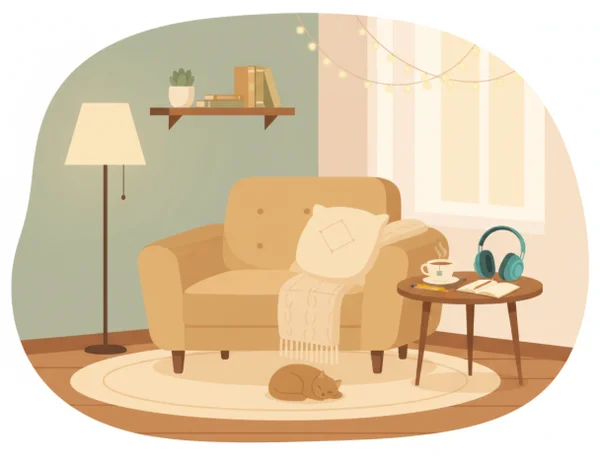
You cannot sustain a healthy life if you are masking 100% of the time. You need environments where the mask can come off entirely. These safe spaces act as a "charging station" for your mind and body.
Identifying and Creating Safe Spaces for Unmasking
A safe space is anywhere you feel no pressure to perform. For most people, this starts at home. You can modify your home environment to support your sensory needs. This might mean using dimmable lights, noise-canceling headphones, or weighted blankets. When your physical environment is comfortable, your brain can finally stop scanning for "threats."
Digital spaces can also be safe havens. Many autistic adults find comfort in neurodivergent-led online communities. In these spaces, autistic styles of communication are the norm. You don’t have to worry about your tone or eye contact. Finding a community where people understand your CAT-Q score and your daily struggles can drastically reduce the feeling of isolation.
Cultivating Understanding Relationships
The quality of your relationships significantly impacts your burnout levels. If you have to mask heavily around your friends or partner, you will never feel truly rested. Cultivating understanding relationships involves teaching the people in your life about your neurodivergent needs.
Supportive allies will respect your need for "quiet time" or your preference for text over phone calls. Mutual support means you can tell a friend, "I’m at my social limit today; can we reschedule?" A true ally will understand it isn't personal. When you have people who value your authentic self, the need to camouflage in your private life disappears. This leaves you with more energy for the parts of the world where masking is still required.
Your Sustainable Camouflaging Journey Begins Today
Navigating the world as an autistic adult is a complex task. However, it shouldn't lead to permanent exhaustion. Sustainable camouflaging is not about being "perfectly unmasked." It is about having the tools to manage your energy and the self-awareness to know when you are pushing too hard.
By focusing on selective disclosure, creating micro-pauses, and building a support network, you can significantly reduce the risk of burnout. Remember that this is a practice, not a goal you reach overnight. Start small. Choose one social situation this week where you will allow yourself to mask a little bit less.
The first step to managing your masking is understanding it. Knowledge is power, and knowing your patterns helps you make better choices for your mental health. You can begin your journey of self-discovery right now. Gain a clearer picture of your unique behaviors by taking the free CAT-Q assessment today.
The Takeaway
How do I know if I'm masking autism in my daily life?
Many people mask so automatically that they don't even realize they are doing it. Common signs include feeling like you are "acting" or following a script during conversations. You might constantly monitor your body language or rehearse phone calls. If you feel a massive "drop" in energy the moment you are alone, you are likely masking. To get a scientifically-backed view of these behaviors, you can use a free tool to measure your traits against the CAT-Q scale.
What's the difference between masking and sustainable camouflaging?
Traditional masking is often an unconscious, high-pressure performance aimed at total assimilation. It is driven by the fear of rejection and is almost always exhausting. Sustainable camouflaging, on the other hand, is a conscious choice. It involves using social strategies strategically when they serve you. You actively manage your energy and maintain "unmasked" safe spaces. It is the difference between being trapped in a costume and choosing a specific outfit for an event.
Can I reduce burnout without completely stopping to camouflage?
Yes, absolutely. For many autistic adults, stopping all camouflaging is not realistic or even safe. You can reduce burnout by focusing on "strategic camouflage." This means identifying which social situations require the most effort and finding ways to minimize that effort. By incorporating sensory breaks, setting social boundaries, and understanding your CAT-Q results, you can find a healthy balance. You can function in society without reaching a state of total exhaustion.
Disclaimer: The information provided in this article and the CAT-Q assessment are intended for self-discovery and educational purposes only. They do not constitute a clinical diagnosis. If you are experiencing severe mental health challenges or believe you may be autistic, please consult with a qualified healthcare professional.