CATQ Burnout: Physical Signs of Autistic Camouflaging
Have you ever wondered why, despite getting enough sleep, you're constantly exhausted? You might notice your jaw clenching during meetings or a dull ache in your shoulders that never fades. These are not just signs of a busy week; they are your body protesting the mask. For many neurodivergent adults, these struggles are more than just "stress." They are the body’s response to years of hidden effort.
Is your body paying the price for your social survival? If you are exploring your autistic traits through a CATQ online test, these physical struggles might be directly connected to your camouflaging behaviors. Camouflaging, or "masking," is the process of hiding autistic traits to fit into a neurotypical world. While it helps us navigate social situations, it comes at a high metabolic cost.
This article reveals the hidden physical impacts of autistic burnout that your CATQ score may be reflecting. Understanding this connection is the first essential step toward healing and reclaiming your energy. By learning how your body reacts to social pressure, you can begin to identify masking behaviors and move toward a more authentic life.

The Science Behind Camouflaging and Physical Health
To understand why camouflaging hurts the body, we must look at what happens inside the nervous system. Camouflaging is not just a social choice. It is a biological state of "high alert." When an autistic person masks, they are constantly monitoring their tone of voice, eye contact, and body movements. This requires an immense amount of cognitive energy.
How Autistic Camouflaging Triggers Physiological Stress Responses
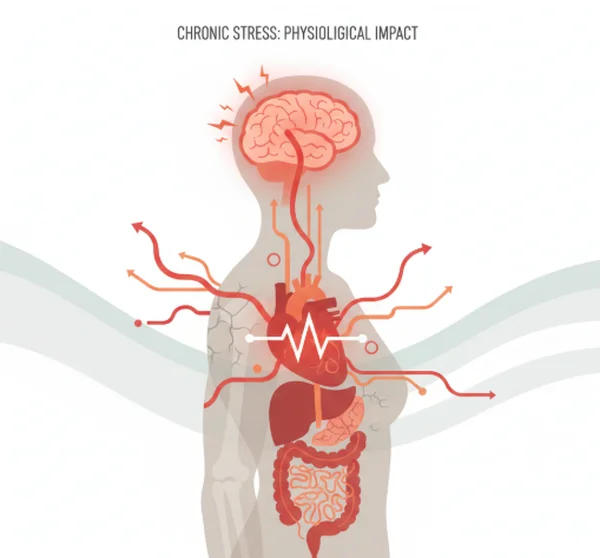
Scientific research shows that camouflaging keeps the body in a state of "fight or flight." This is the sympathetic nervous system's response to perceived danger. For many, social interaction feels like a high-stakes performance where any "mistake" could lead to rejection. To avoid this, the brain stays in a state of hyper-vigilance.
When you start your assessment, you may realize how often you suppress your natural urges. Suppressing stimming or forcing eye contact signals to your brain that you are in an unsafe environment. Over time, the body releases constant streams of cortisol and adrenaline. These stress hormones help in short emergencies, but they are toxic when they stay in your system for years. This leads to "allostatic load"—the wear and tear on the body caused by chronic stress.
CATQ Research: What Your Score Reveals About Physical Health Risks
The Camouflaging Autistic Traits Questionnaire (CAT-Q), developed by Hull et al. (2018), is the gold standard for measuring these behaviors. Research has shown a strong link between high scores and poor mental health outcomes. However, the physical link is just as critical. A high standardized CATQ score often correlates with higher rates of physical illness.
High "Assimilation" scores signal a drive to fit in at all costs. This constant performance demands immense energy, putting you at the highest risk for autistic burnout. If your test results show high levels of compensation or masking, your body is likely working overtime to maintain a social facade. This internal friction creates a physical "debt" that the body eventually demands to be paid.
Recognizing Physical Burnout Symptoms in High CATQ Scorers
Autistic burnout is different from standard workplace stress. It is a state of total exhaustion where the brain and body can no longer maintain the mask. When you reach this point, symptoms move from the mind to the physical body. High CATQ scorers often report a specific set of symptoms that signal the body is shutting down.
The Energy Drain: Chronic Fatigue Beyond Mental Exhaustion
The most common sign of camouflaging-related burnout is chronic fatigue. This is not the kind of tiredness that goes away after a long nap. It is a heavy, lead-like feeling in the limbs. People experiencing this often feel like they are moving through water.
This fatigue happens because "social energy" and "physical energy" come from the same tank. If you spend eight hours using compensation strategies—like memorizing scripts for small talk—you drain your physical fuel. By the time you get home, your body has nothing left for basic tasks. This is why many high-masking individuals experience a "collapse" on weekends. They are simply out of biological resources.
Unexplained Physical Ailments: From Digestive Issues to Chronic Pain
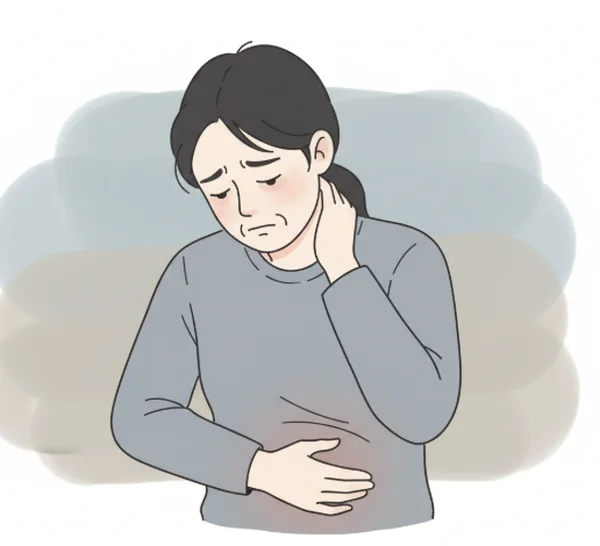
The gut is often called the "second brain." Because the nervous system is so stressed by camouflaging, many people with high CATQ scores suffer from gastrointestinal (GI) issues. One user shared how unmasking eased their chronic pain after years of mysterious stomach issues. Common symptoms include:
- Chronic bloating or stomach pain.
- Irritable Bowel Syndrome (IBS).
- Sensitivity to certain food textures that increases when stressed.
Beyond the gut, chronic muscle tension is a major red flag. If you are constantly masking, you likely hold your body in a rigid posture. This leads to tension headaches, jaw pain (TMJ), and chronic neck issues. Your body is literally bracing itself for social impact. If you feel these symptoms, it may be time to get a personalized report to see how your specific behaviors affect your well-being.
Beyond the Surface: How Camouflaging Affects Your Body Long-Term
While short-term fatigue is difficult, the long-term effects of camouflaging can lead to serious health challenges. When the body stays in a state of high stress for decades, its basic systems begin to struggle.
The Immune System Connection: Why High CATQ Scores May Indicate Vulnerability
Chronic stress is a known enemy of the immune system. Survival-mode socializing steals energy from your immune system. For high-masking adults, this often means frequent illnesses—a sign your body is begging for rest.
Research into neurodivergence suggests that constant inflammation from high cortisol can lead to autoimmune issues. When you use the free online test and see a high score in masking, it may explain why you feel "run down." Your immune system is struggling to protect you because your nervous system is too busy managing your social identity.
Neurological Impacts: How Constant Masking Affects Brain Health
Masking doesn't just tire the body; it changes how the brain processes information. Constant camouflaging requires the prefrontal cortex to work much harder than usual. This leads to "brain fog," making it difficult to make simple decisions or remember daily tasks.
Long-term, this neurological strain can lead to sensory hypersensitivity. When you are burnt out from masking, noises seem louder and lights seem brighter. Camouflaging exhausts your brain. When it’s overwhelmed, even minor sounds or lights become unbearable. By recognizing these neurological signals, you can take proactive steps to reduce sensory overload—starting with unmasking in safe spaces.
Your Path to Physical Recovery: Next Steps After Understanding Your CATQ Results
Understanding the link between your CATQ score and your physical health is a powerful turning point. You are not "lazy" or "sick" for no reason. Your body is simply reacting to the immense effort of navigating a world not built for your brain.
Recovery begins with self-awareness. Once you recognize that your chronic pain or fatigue is a signal of "masking overload," you can start to make changes. This might include:
- Pacing: Learning to schedule "unmasking time" where you can be alone and stim freely.
- Sensory Management: Using tools like noise-canceling headphones to reduce the load on your brain.
- Authentic Living: Gradually reducing the most exhausting camouflaging behaviors in safe environments.
The first step is to get an objective look at your behaviors. By taking the CATQ test, you can see exactly which areas of social interaction cost you the most energy. Whether it is compensation or assimilation, knowing your profile allows you to create a recovery plan that works for your unique body.
Frequently Asked Questions About CATQ and Burnout
Can my CATQ score predict my physical health risks?
While the CATQ is not a medical diagnostic tool, a high score indicates a high level of social stress. Chronic social stress is a major risk factor for physical issues like hypertension, digestive disorders, and chronic fatigue. Understanding your score helps you identify the stressors that may be making you physically ill. You can see your results today to start identifying these patterns.
How is autistic burnout different from regular exhaustion?
Regular exhaustion usually goes away after rest. Autistic burnout is a systemic shutdown. It often includes a loss of skills, increased sensory sensitivity, and a physical "heaviness" that lasts for weeks or months. It is specifically caused by the cumulative load of living as an autistic person in a neurotypical environment.
Are there specific physical symptoms linked to high camouflaging?
Yes. Many people with high camouflaging scores report "unexplained" symptoms. These include chronic tension headaches, jaw clenching, and stomach pain. These are all signs of a nervous system stuck in hyper-vigilance due to the constant effort of social monitoring.
Can reducing camouflaging improve my physical health?
Absolutely. Many people find that as they learn to unmask, their physical symptoms improve. Reducing the "effort" of social interaction lowers cortisol levels. This helps the gut heal, reduces muscle tension, and boosts the immune system. Your CATQ results can pinpoint which camouflaging behaviors drain you most—explore them today.
Disclaimer: The CATQ test and the information in this article are intended for self-discovery and educational purposes only. They do not constitute a medical diagnosis. If you are experiencing severe physical symptoms or mental health crises, please consult a qualified healthcare professional.