Autism, LGBTQ+ Identity & CATQ: Unmasking Double Camouflaging
Feeling like you're constantly performing, hiding parts of yourself, or navigating multiple identities can be profoundly exhausting. For many autistic individuals within the LGBTQ+ community, this experience is amplified by a phenomenon known as "double camouflaging." This article explores the intricate layers of masking both neurotype and queer identity, helping you understand this unique challenge and embark on a journey toward an integrated, authentic self. If you’ve ever wondered, how do I know if I'm masking autism?, you are not alone. Discover how understanding this concept can be the first step on a path to self-discovery.
Understanding Autistic Camouflaging & LGBTQ+ Identity
Before we can explore the intersection, it's vital to understand each component on its own. Both autistic identity and LGBTQ+ identity involve a personal journey of realization, acceptance, and expression, often shaped by the world around us. These journeys, while distinct, share common themes of navigating societal norms and finding a sense of belonging.
What is Autistic Masking and Why Do We Do It?
Autistic camouflaging, often called "masking," is the conscious or subconscious suppression of natural autistic traits to fit in with neurotypical social expectations. This isn't just about being polite; it's a complex set of strategies. These can include forcing eye contact even when it's uncomfortable, mimicking the social behaviors of others, scripting conversations in your head, and hiding stimming behaviors.
We do this for many reasons: to avoid bullying, to make friends, to keep a job, or simply to navigate a world not built for us. While it can be a useful survival tool, the long-term cost is immense. Constant masking requires significant mental energy, leading to exhaustion, anxiety, and a profound sense of disconnection from one's true self. It's the feeling of always being an actor on a stage, never getting to be yourself.
The Unique Journey of LGBTQ+ Self-Discovery and Identity
Similarly, the journey of LGBTQ+ self-discovery involves navigating a world that often assumes heterosexuality and cisgender identity as the default. Coming to understand one's own sexual orientation or gender identity is a deeply personal process. For many, it also involves a period of "masking"—hiding this part of themselves from family, friends, or colleagues out of fear of rejection, discrimination, or misunderstanding.
This form of camouflaging can involve altering one's mannerisms, avoiding certain topics of conversation, or creating fabricated stories to fit societal expectations. Just like autistic masking, this concealment is draining and can delay the process of living an open, authentic life where one feels fully seen and accepted. The journey to embrace a queer identity is a powerful act of self-acceptance.
Double Masking: When Neurotype & Queer Identity Intersect
For individuals who are both autistic and part of the LGBTQ+ community—a growing and vibrant community often referred to as "neuroqueer"—these two experiences of camouflaging collide. This creates a complex, layered challenge known as double masking. It’s the exhausting act of simultaneously hiding your autistic traits and your queer identity.
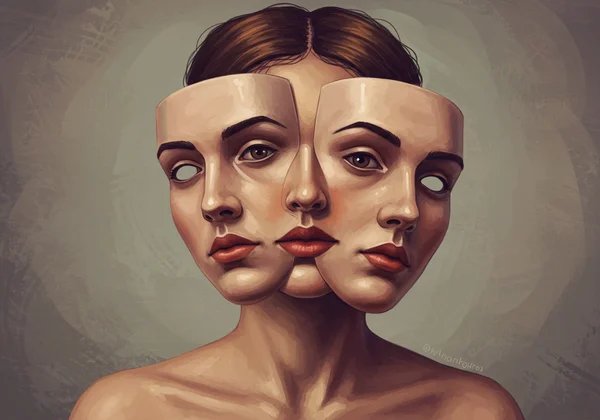
Imagine having to monitor not only your social timing and eye contact but also your gender expression and the pronouns you use for a potential partner. Each social interaction becomes a high-stakes performance with two different scripts running at the same time. This is the reality for many neuroqueer people, and it magnifies the mental and emotional burden exponentially. You can start to explore your traits to better understand this experience.
Navigating Societal Expectations as Neuroqueer Individuals
Neuroqueer individuals face a unique form of pressure. Society has unwritten rules for neurotypical behavior and for cis-heteronormative identity. Breaking either set of rules can lead to misunderstanding or prejudice. Breaking both can feel incredibly isolating.
For example, an autistic person's direct communication style might be misread as rude. If that person is also transgender, their communication style might be unfairly scrutinized through the lens of gender stereotypes. A lesbian autistic woman's difficulty with traditional flirting cues might be misinterpreted as disinterest, adding another layer of complexity to dating. This constant navigation of multiple, often conflicting, expectations is a core challenge of the neuroqueer experience.
The Emotional & Cognitive Toll of Dual Camouflaging
The cumulative effect of this dual performance is profound. The primary consequence is often autistic burnout—a state of intense physical, mental, and emotional exhaustion, often accompanied by a loss of skills. When you're spending all your energy on masking, there's little left for work, hobbies, relationships, or even basic self-care.
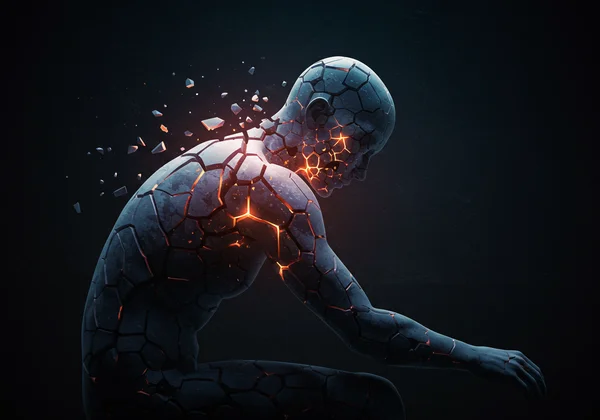
This constant self-monitoring can also lead to heightened anxiety, depression, and a fragmented sense of self. It becomes difficult to know where the masks end and the real "you" begins. This feeling of inauthenticity can damage self-esteem and make it incredibly difficult to form genuine, trusting connections with others. Understanding the extent of your camouflaging is the first step toward healing, and a tool can help you quantify your masking.
Finding Your Authentic Self: Unmasking & Integration
While the challenge of double masking is significant, the journey toward authenticity is both possible and profoundly rewarding. It involves creating a life where you feel safe and empowered to be your whole self—both autistic and queer. This process is not about eliminating all masks overnight but about learning to use them by choice, not by default.

This journey starts with self-knowledge. Tools like the Camouflaging Autistic Traits Questionnaire (CAT-Q) can provide a framework for understanding your specific masking behaviors. By seeing your strategies laid out—compensation, masking, assimilation—you can begin to reclaim your identity with intention. Taking a free online CATQ test can be an empowering first step.
Building Safe Spaces and Supportive Communities
You don't have to do this alone. A crucial part of unmasking is finding your people. Seek out communities, both online and in-person, where your neuroqueer identity is not just accepted but celebrated. These safe spaces provide a vital opportunity to practice being yourself without fear of judgment.
In these communities, you can share experiences, exchange coping strategies, and see your own identity reflected in others. This validation is incredibly healing and can counteract years of feeling isolated or "wrong." True connection happens when we can let our guards down, and supportive communities are where that becomes possible.
Embracing Neuroqueer Identity with Self-Compassion
Unmasking is a process, and it requires immense self-compassion. There will be days when masking feels necessary for survival, and that's okay. The goal is progress, not perfection. Celebrate small victories, like sharing a special interest with a friend or choosing not to force eye contact in a low-stakes conversation.
Treat yourself with the same kindness you would offer a friend on a similar journey. Your brain works differently, and your identity is valid. Integrating these parts of yourself is an act of radical self-love. By understanding your unique profile, you can start building a life that honors your needs and celebrates your strengths. The insights from a CATQ assessment can help guide this process.
Embracing Your Authentic Self: A Path to Less Camouflaging
Living at the intersection of autism and LGBTQ+ identity presents a unique set of challenges, with double camouflaging being one of the most significant. It is a real and exhausting experience, but it does not have to define your life. By understanding the mechanisms of masking, seeking out supportive communities, and practicing self-compassion, you can begin to integrate your identities and live a more authentic, fulfilling life.
Self-knowledge is the most powerful tool you have. Understanding how and why you camouflage is the first step toward reducing its hold on you. Are you ready to explore your own patterns of social masking and move toward a more authentic you? Start your free CATQ assessment today to gain valuable, scientifically-backed insights into your personal experience.
Disclaimer: This article is for informational purposes only and is not a substitute for professional medical advice, diagnosis, or treatment. The CAT-Q test is a self-assessment tool for self-exploration, not a diagnostic instrument.
Frequently Asked Questions About Autism, LGBTQ+, and Masking
How do I know if I'm masking autism?
You might be masking if you feel exhausted after social events, consciously mimic others' body language, practice conversations beforehand, or feel a disconnect between who you are internally and how you act externally. A great way to get a clearer picture is to take our online test, which is designed to measure these specific behaviors.
What are the signs of autistic camouflaging?
Common signs include forcing or faking eye contact, deliberately suppressing repetitive movements (stimming), using pre-scripted phrases in conversation, imitating others' social behaviors, and pushing through intense sensory discomfort to appear "normal."
Can being LGBTQ+ influence how autism is perceived or diagnosed?
Absolutely. Autistic traits in an LGBTQ+ individual can sometimes be misattributed to social anxiety related to their queer identity, trauma, or gender dysphoria. This overlap can lead to delayed or missed autism diagnoses, especially in individuals who are already skilled at masking their queer identity.
What is "double masking" for autistic LGBTQ+ individuals?
Double masking is the mentally taxing process of simultaneously concealing one's autistic traits to meet neurotypical expectations and hiding one's LGBTQ+ identity to meet cis-heteronormative expectations. It's a layered performance of two different aspects of one's core identity.
Where can I find support for neuroqueer identity and unmasking?
Support can be found in many places. Look for online forums and social media groups using terms like #neuroqueer or #actuallyautistic. Many local LGBTQ+ centers are becoming more aware of neurodiversity. Finding a neurodiversity-affirming therapist can also be invaluable. Self-discovery tools are a great starting point to begin your exploration and gather information for yourself.